


If you've started researching hearing aids, you've likely noticed there isn't just one type of device — there are several technologies, each working differently. Two of the most common options are traditional (air conduction) hearing aids and bone conduction hearing aids. Here's how they actually compare.
How Each One Works
Traditional hearing aids amplify sound and direct it into your ear canal, where it vibrates your eardrum just like normal hearing does — just louder. Most sit inside or behind the ear with a small speaker (receiver) placed in or near the ear canal.
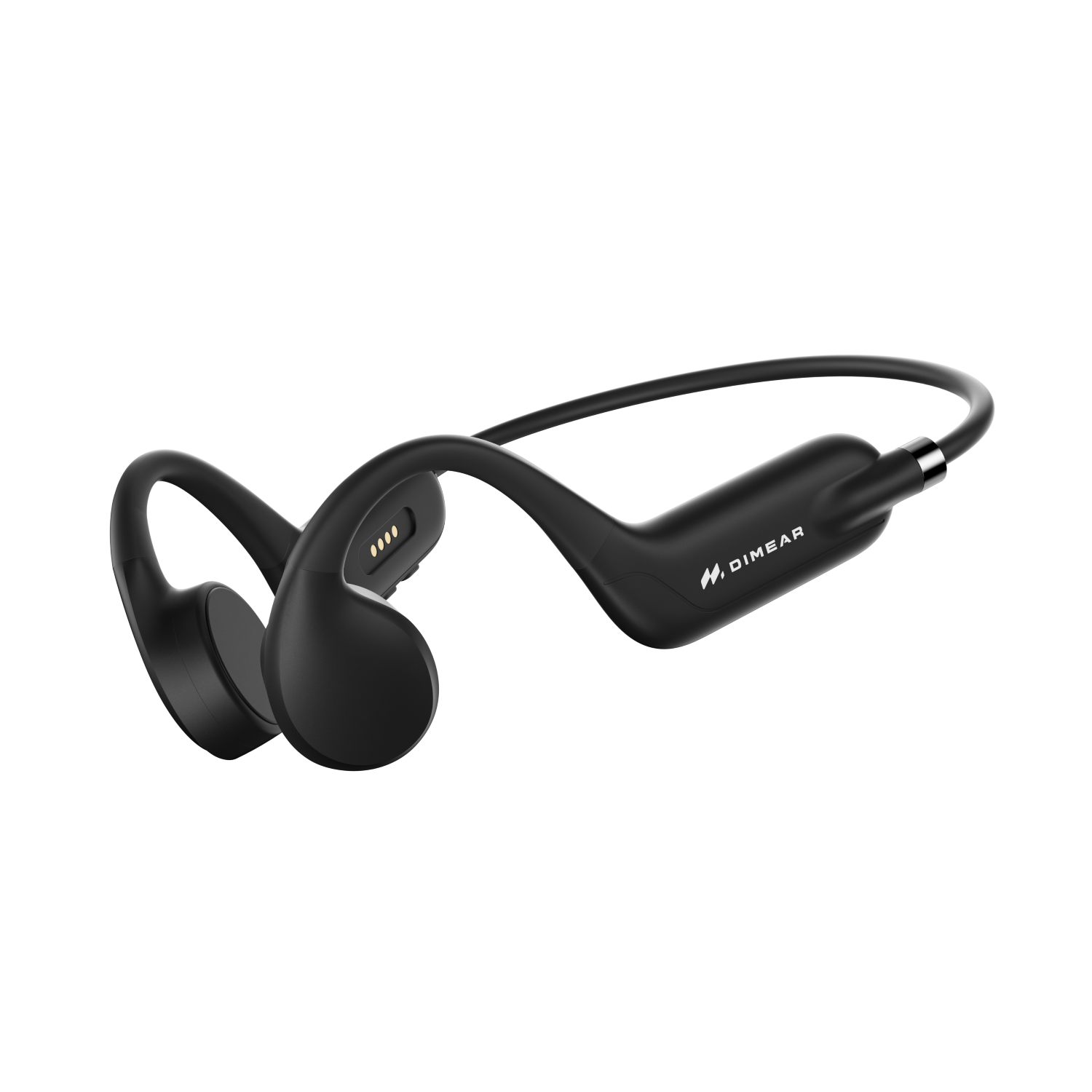
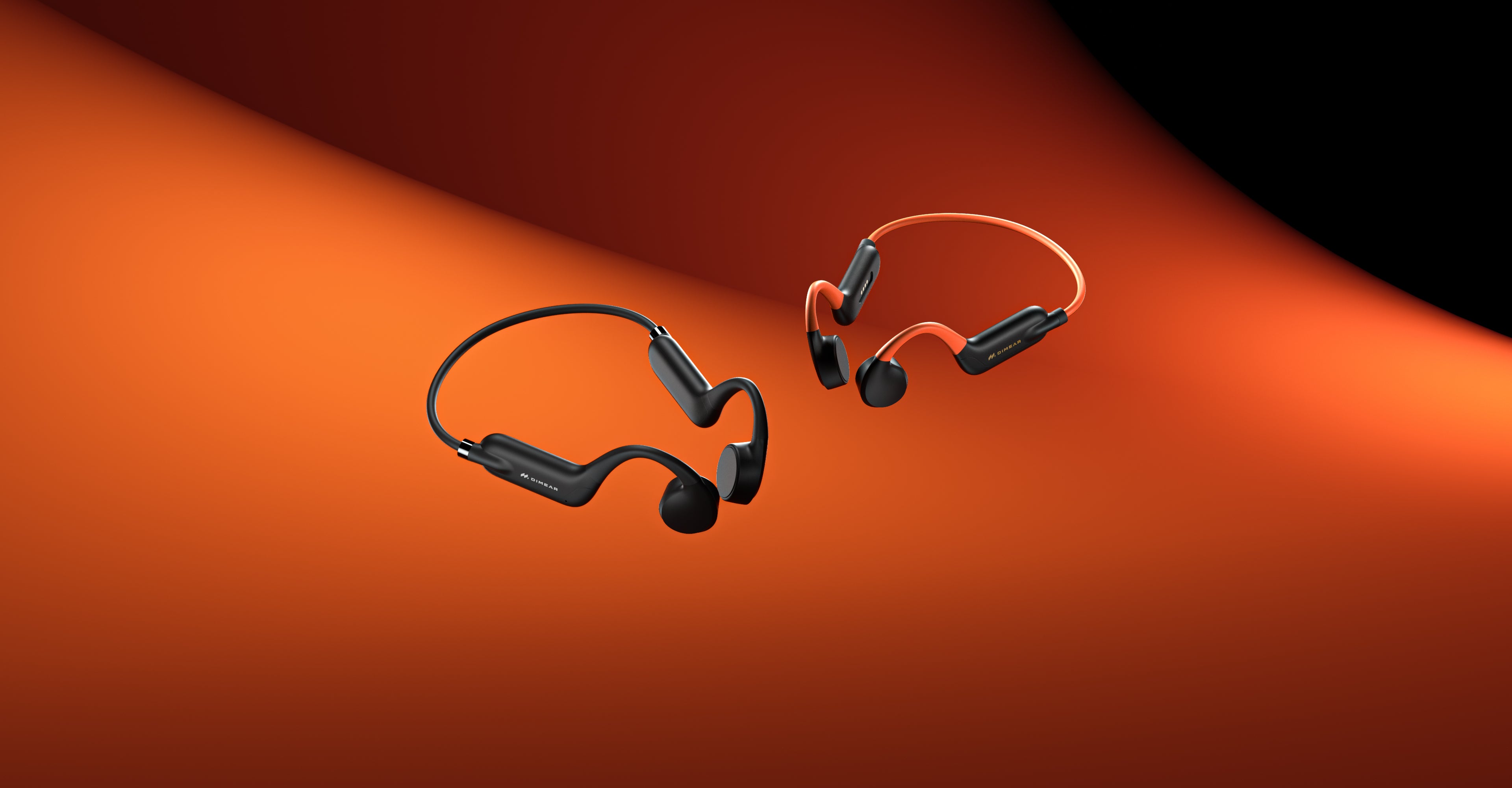
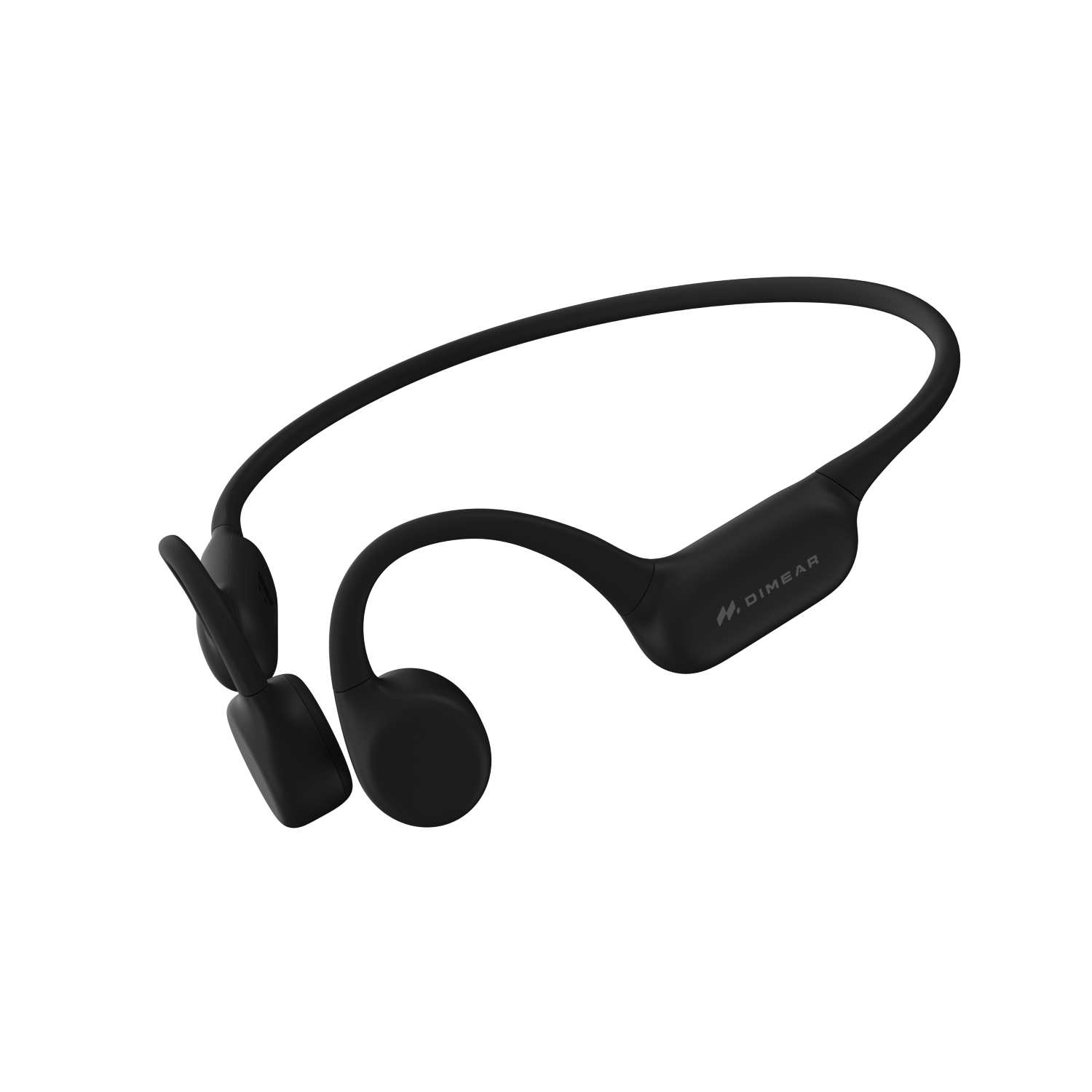
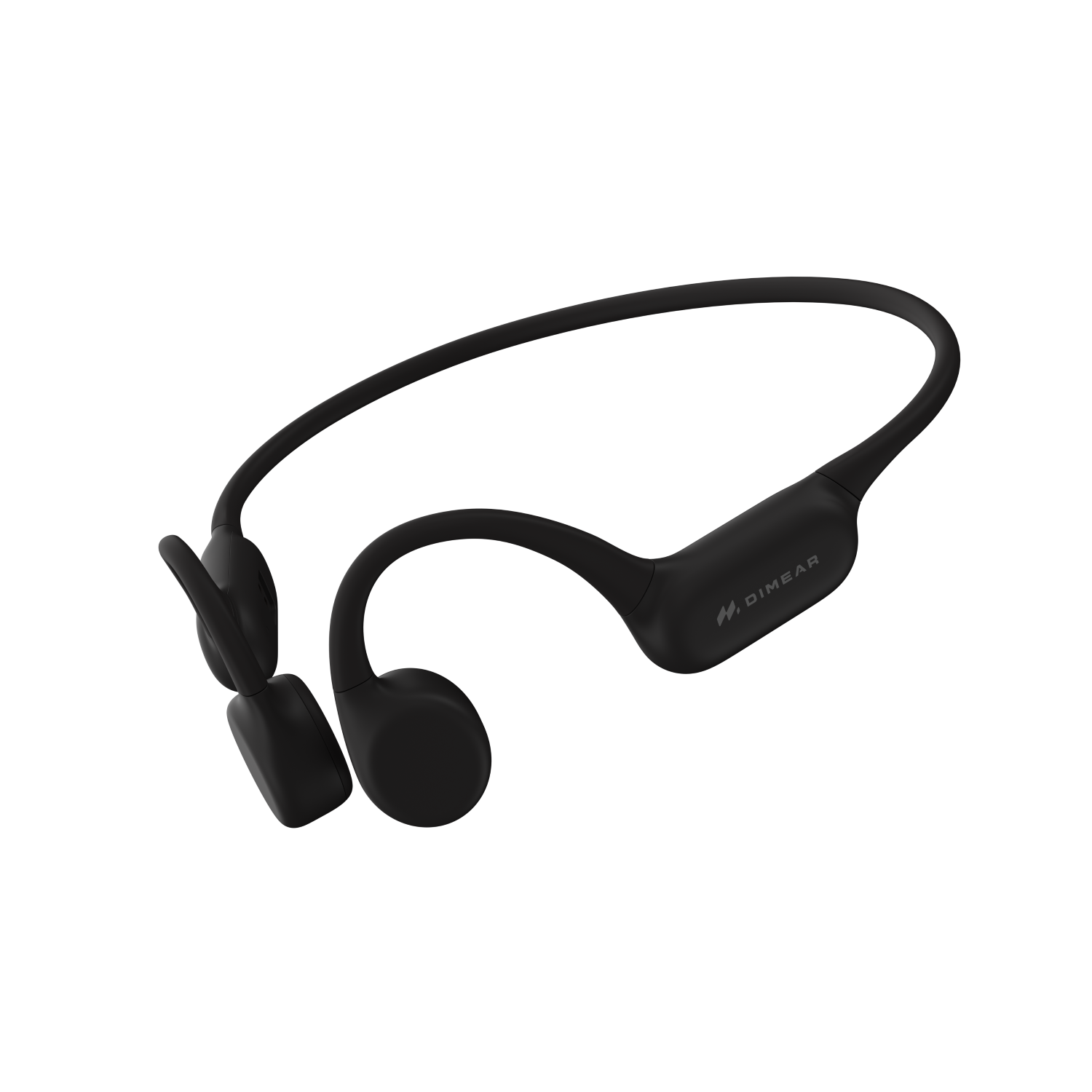
Bone conduction hearing aids skip the ear canal and eardrum entirely. They rest against the bone behind your ear and send sound as vibrations directly to your inner ear (cochlea) through the skull.
Comfort and Fit
| Traditional Hearing Aids | Bone Conduction Hearing Aids | |
|---|---|---|
| Ear canal | Partially or fully blocked | Stays completely open |
| Glasses/mask compatibility | Can compete for space | Generally more accommodating |
| Feeling of "plugged ears" | Common, especially at first | Not applicable — canal is open |
| Best for ear conditions like infections or excess wax | Not ideal | Well suited |
Sound Quality Differences
Traditional hearing aids can offer very precise amplification tuned to specific frequency losses, which is why they're often recommended for more severe or complex hearing loss patterns. Bone conduction devices tend to shine for mild to moderate hearing loss, and many users find the sound feels more natural since their own voice and ambient sounds aren't muffled by a blocked ear canal.
Who Each Option Tends to Suit
Traditional hearing aids may be a better fit if:
- You have moderate to severe sensorineural hearing loss
- You want highly customizable frequency-specific amplification
- You're comfortable with an audiologist-fitted device
Bone conduction hearing aids may be a better fit if:
- You have mild to moderate hearing loss, especially age-related
- You have conductive hearing loss or a history of ear infections
- You wear glasses or a mask regularly
- You want an OTC, no-prescription option to try first
Cost Considerations
Traditional prescription hearing aids in the U.S. commonly range from $1,000 to $6,000 per pair, often including audiologist visits and fittings. OTC bone conduction options like Dimear Eagles are priced at $399.99, with no clinic visit required — a meaningfully lower barrier to entry for people who just want to try improving their hearing.
The Bottom Line
Neither option is universally "better" — it depends on the type and severity of your hearing loss, your comfort preferences, and your budget. For adults with mild to moderate hearing loss looking for a comfortable, affordable starting point, bone conduction devices like Dimear Eagles offer a lower-cost, open-ear way to hear more clearly without committing to the traditional hearing aid process.
Not sure which category fits your hearing needs? [Learn more about Dimear Eagles →]

Leave a comment
This site is protected by hCaptcha and the hCaptcha Privacy Policy and Terms of Service apply.