


If you or a loved one has started missing words in conversations, turning the TV up louder than everyone else likes, or avoiding noisy restaurants, you've probably started researching hearing aids — and run into a term that sounds a little unusual: bone conduction.
It's not science fiction. It's a well-established technology that's been used in medical devices for decades, and it's now available as an affordable, over-the-counter (OTC) option for everyday hearing support. Here's what it actually is, how it works, and who it's a good fit for.
How Normal Hearing Works
To understand bone conduction, it helps to know how hearing normally happens. In typical "air conduction" hearing, sound waves travel through the air, into your ear canal, and vibrate your eardrum. Those vibrations pass through three tiny bones in the middle ear before reaching the cochlea (inner ear), which converts them into signals your brain reads as sound.
Most conventional hearing aids work by amplifying that same air-conduction pathway — they make sounds louder before they hit your eardrum.
How Bone Conduction Is Different
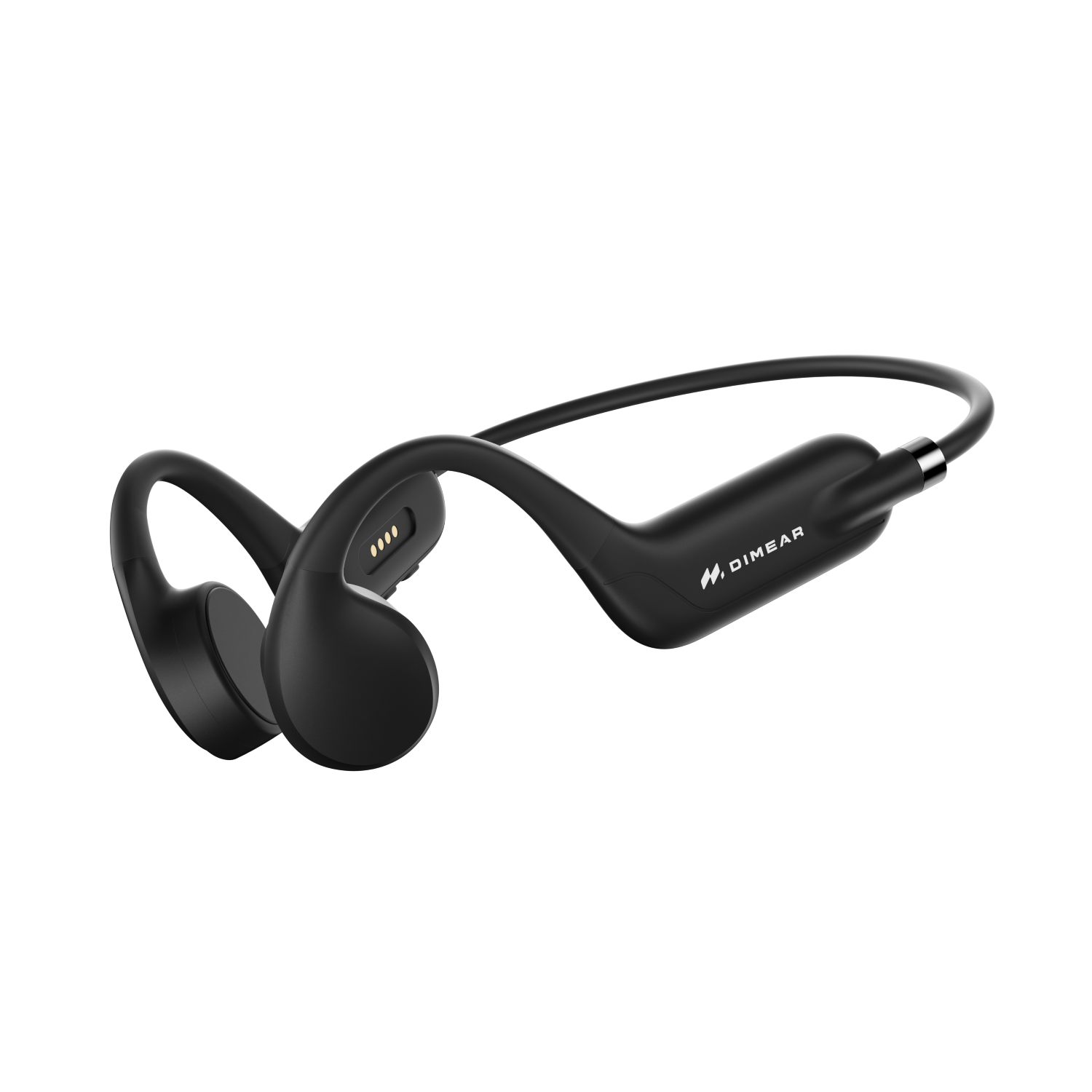
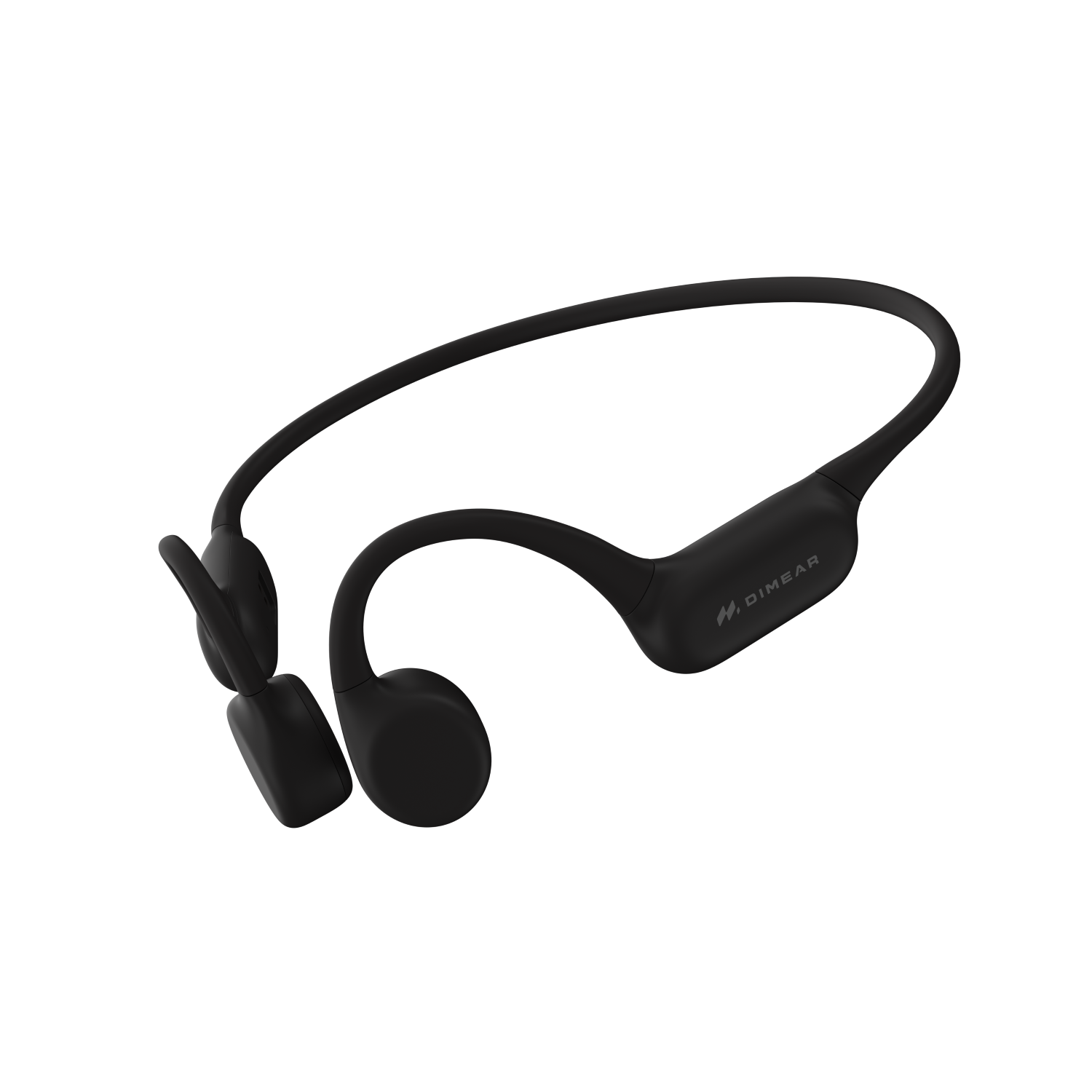
Bone conduction hearing aids skip the ear canal and eardrum entirely. Instead, they sit against the bone behind your ear (or on your cheekbone) and send sound as gentle vibrations directly through the bone to your inner ear (cochlea). Your skull essentially becomes part of the sound pathway.
This matters for a few reasons:
- Open ear canal: Since nothing sits inside your ear, your ear canal stays completely open. Many users describe the sound as feeling more natural, and you can still hear ambient sounds like your own voice normally.
- Comfort for glasses and mask wearers: No in-ear bud means no conflict with eyeglass arms, sunglasses, or face masks.
- Good option for certain ear conditions: People with chronic ear infections, excess earwax, malformed ear canals, or moisture sensitivity often find in-ear devices uncomfortable or impractical. Bone conduction avoids the ear canal altogether.
Who Tends to Benefit Most
Bone conduction hearing devices are commonly used by people with:
- Mild to moderate hearing loss, especially age-related hearing loss (presbycusis)
- Conductive hearing loss caused by issues in the outer or middle ear
- Single-sided deafness, where sound is routed from the affected side to the working ear
- Sensitivity to in-ear devices, or a history of ear infections
They're not typically recommended for severe-to-profound sensorineural hearing loss, since that type of loss involves the inner ear itself rather than the sound pathway leading to it. If you're unsure which category you fall into, a hearing test — even a basic online screening — is a good first step before choosing a device.
What Changed With OTC Hearing Aids
Until 2022, anyone wanting a hearing aid in the U.S. needed a prescription, an audiologist visit, and often thousands of dollars per device. A 2022 FDA regulation created a new OTC hearing aid category for adults with perceived mild to moderate hearing loss, allowing people to buy FDA-registered devices directly — no prescription, no exam, and a fraction of the traditional cost.
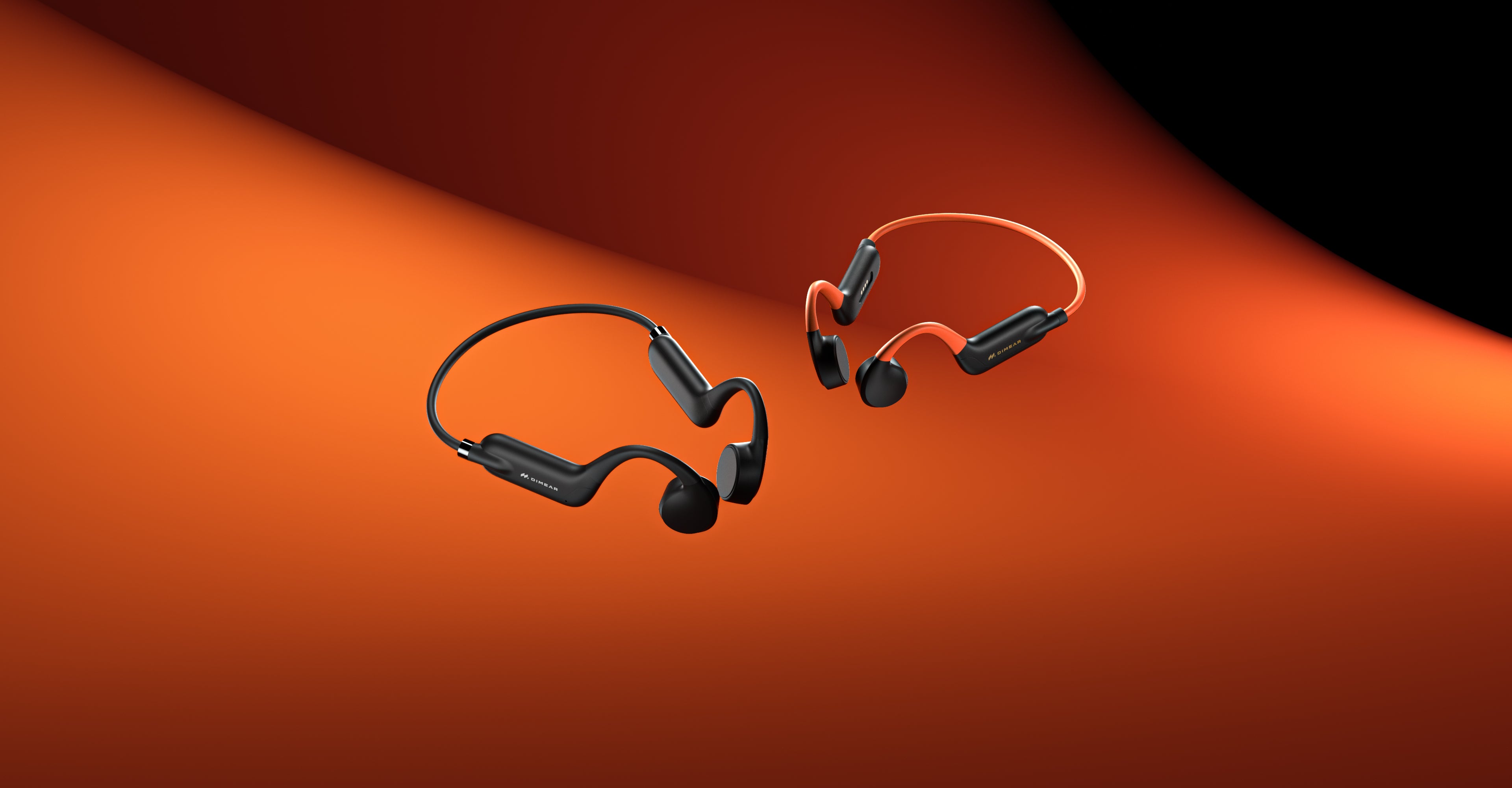
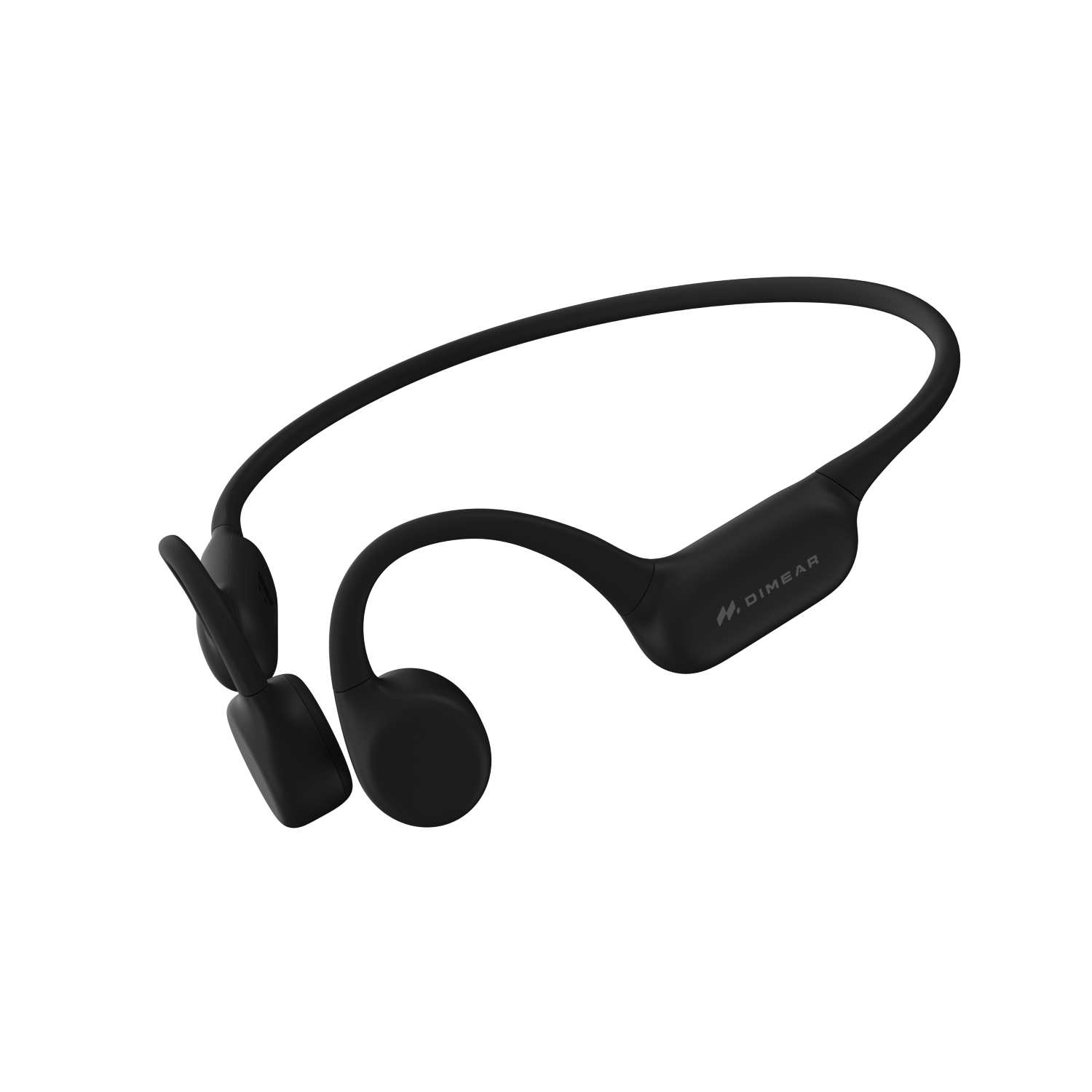
This is the category Dimear Eagles falls into: an FDA-registered, OTC bone conduction hearing aid built specifically for adults who want a comfortable, discreet, and affordable way to hear clearly again — without the traditional hearing aid price tag or the hassle of clinic visits.
Is Bone Conduction Right for You?
If any of the following sound familiar, bone conduction is worth considering:
- You've been told you have mild to moderate hearing loss
- In-ear hearing aids feel uncomfortable, or you have recurring ear issues
- You wear glasses or a mask regularly and want something that won't compete for space
- You want a lower-cost, no-prescription-needed option to try first
Hearing loss tends to develop gradually, which is exactly why it's easy to underestimate. The good news is that today's options — bone conduction included — are more comfortable, more affordable, and easier to access than ever before.
Curious whether Dimear Eagles is the right fit for your hearing needs? [Explore Dimear Eagles →]

Leave a comment
This site is protected by hCaptcha and the hCaptcha Privacy Policy and Terms of Service apply.